
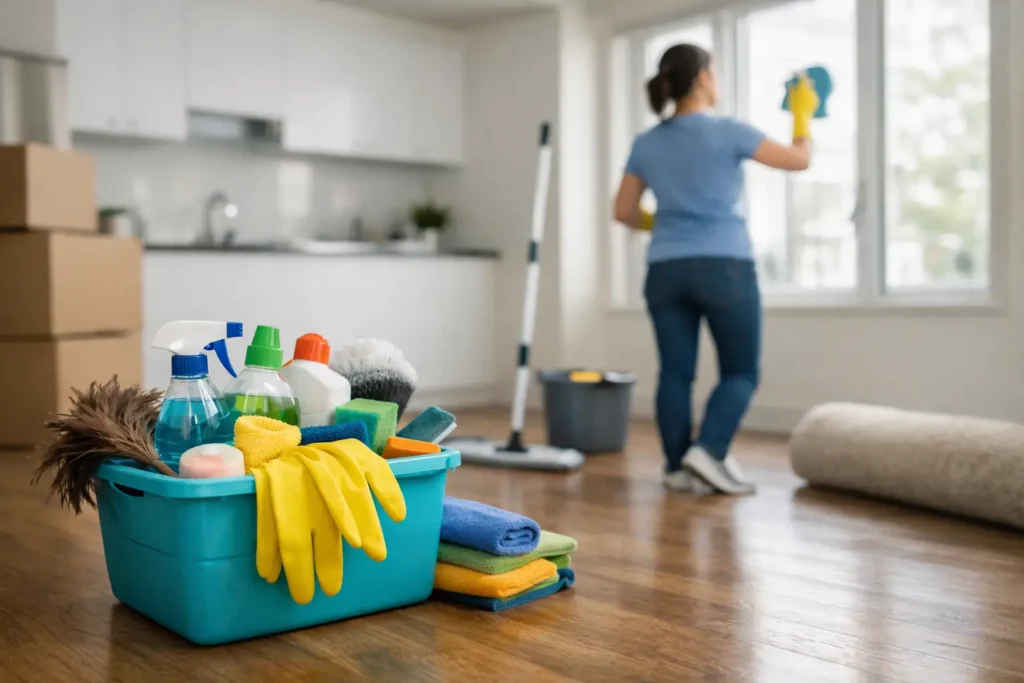
That final walk-through can feel more stressful than the move itself. Boxes are gone, the place looks emptier than expected, and suddenly every mark on the wall and crumb in a cupboard stands out. The best move out cleaning tips are the ones that help you work quickly, avoid missed areas, and leave the property looking ready for the next tenant or owner.
If you are trying to protect a deposit, hand a property back in good condition, or get a home ready for viewings, the key is not just cleaning harder. It is cleaning in the right order. A rushed approach often means doubling back, missing hidden grime, and wasting time on jobs that matter less than kitchens, bathrooms, flooring, and first impressions.
Best move out cleaning tips start with a clear plan
The biggest mistake people make is starting with whatever looks dirtiest. That usually leads to a patchy result. A better approach is to walk through each room first and note what needs attention, especially areas hidden by furniture during day-to-day living.
Look for grease around the cooker, limescale in bathrooms, dust on skirting boards, fingerprints on doors, and marks inside cupboards. If there are carpets, check for stains and heavy traffic areas. If you have pets, pay extra attention to hair, odours, and scratched surfaces.
This first check helps you decide whether the job is realistic to do yourself in the time available. A small flat with light use is very different from a family home after several years of occupancy. If the property needs deep oven cleaning, carpet cleaning, and removal of builders’ dust or heavy staining, it may be quicker and more cost-effective to bring in professionals rather than lose a deposit over missed details.
Work from top to bottom, then back to front
One of the most practical move-out cleaning methods is simple: clean high areas first and finish at floor level. Dust falls, so if you vacuum first and wipe shelves later, you create extra work.
Start with ceilings if cobwebs are visible, then light fittings, curtain rails, tops of wardrobes, shelves, and windowsills. After that, move to mid-level surfaces such as doors, switches, sockets, radiators, counters, and cupboard fronts. Leave the floors until the end of each room.
It also helps to clean the property from the rooms furthest from the entrance and work backwards towards the front door. That way, you are not walking dirt back into areas you have already finished.
Focus on kitchens and bathrooms first
If a landlord, letting agent, or buyer notices anything straight away, it is usually the kitchen and bathroom. These rooms carry the heaviest signs of use, and they are where a basic tidy-up is least likely to be enough.
In the kitchen, empty every cupboard and drawer, then vacuum out crumbs before wiping inside and out. Pay close attention to handles, edges, and the top of wall units where grease and dust build up quietly. Degrease the hob, extractor area, splashback, and worktops properly. The oven is often the deciding factor between a decent clean and a handover-standard clean, so do not leave it until last when you are tired.
In the bathroom, target limescale, soap residue, and hidden grime around taps, shower screens, grout, and toilet bases. A room can smell fresh and still fail the visual test if the chrome is cloudy or the grout is discoloured. If staining is old or heavy, standard sprays may not shift it quickly, so allow enough time for products to work rather than scrubbing everything at once.
The best move out cleaning tips for stubborn marks
Not every mark needs the same treatment. Trying one product on every surface can waste time or even cause damage, especially on painted walls, laminate, stainless steel, or natural stone.
Scuff marks on painted walls often lift with gentle wiping, but too much pressure can remove paint and make the patch more obvious. Grease needs a degreaser, while limescale needs a descaler. Soap residue on shower glass usually responds better to a product designed for bathroom build-up than a general-purpose spray.
If you are unsure, test a small hidden spot first. That is especially important in rented properties where accidental damage can become a bigger issue than the original mark. Fast cleaning is useful, but careful cleaning is what protects you from extra costs.
Do not ignore appliances and fixtures
Move-out cleaning standards usually go beyond visible surfaces. Appliances and fittings are where many handovers fall short because they take longer than expected.
The fridge and freezer should be emptied, switched off if appropriate, defrosted, cleaned inside, and left dry. Washing machine detergent drawers, rubber seals, and filter areas often collect residue and odours. Dishwashers need attention around the door edges and filter. Extractor fans, light switches, plug sockets, and door handles all hold dirt that stands out once the room is empty.
These details matter because they signal whether the clean has been thorough. A room with polished worktops but grease on the extractor or dust on the skirting boards does not feel finished.
Floors need the right treatment, not a quick pass
Flooring often carries the evidence of the move itself. Dust from boxes, black marks from shoes, dragged furniture lines, and carpet flattening can all appear at the end.
Hard floors should be vacuumed before mopping so grit is removed properly. Pay attention to corners, edges, and behind doors. On laminate and wood-effect flooring, avoid over-wetting. Too much water can leave streaks or cause damage.
Carpets are a judgement call. A vacuum may be enough for light use, but if there are stains, pet odours, or obvious traffic lanes, professional carpet cleaning can make a real difference. This is one of those areas where doing it yourself is not always the cheaper option if it risks deductions later.
Windows, glass and mirrors change the whole impression
A property can be generally clean and still look dull if the glass is smeared. Natural light highlights streaks on mirrors, shower screens, internal glass doors, and windows.
Use a clean cloth rather than one already loaded with dust or product residue. Wipe frames, tracks, and sills as well as the glass itself. If external windows are not safely accessible, focus on the inside and make sure the surrounding area is clean and free of dust.
This part is easy to underestimate, but it has a strong effect on presentation, especially if the property is being photographed, listed, or shown to new tenants.
Empty means properly empty
One common reason for move-out cleaning problems is trying to clean around leftover items. Bin bags, forgotten food, spare toiletries, and random drawer contents all make a property feel unfinished.
Before the final clean, remove everything you are taking and dispose of anything you are not. Check kitchen cupboards, bathroom cabinets, loft access areas, under sinks, and behind doors. Once the property is empty, the clean is faster and far more thorough.
This also helps avoid a last-minute panic where you discover rubbish still needs to be cleared after floors have already been done.
Leave enough time for drying and final checks
A rushed handover is where avoidable mistakes happen. Floors are still damp, bins have not been emptied, a cupboard gets missed, or a cleaning cloth leaves lint on a glossy surface.
Build in time at the end to open windows where suitable, let surfaces dry, and walk through the property one last time. Check eye-level details, then lower-level ones such as skirting boards, corners, and floor edges. Turn lights on as well as off, because some marks only show under direct light.
If possible, take clear photos once everything is complete. That is simply a sensible record of condition, particularly in rental situations.
Know when professional help makes more sense
Some move-out cleans are manageable with a free day and the right products. Others are not. If the property is large, heavily used, or has multiple problem areas such as ovens, carpets, limescale, and built-up grease, the job can quickly become longer and more expensive than expected.
Professional cleaning is often the practical option when time is tight, check-out standards are strict, or you want the job handled properly first time. For tenants, that can mean better chances of a full deposit return. For landlords and letting agents, it means getting the property ready for the next occupant without delay. For sellers, it can improve presentation at a key moment.
In Birmingham, many people booking an end of tenancy clean also need extras such as oven or carpet cleaning at the same time. Using one reliable team is usually easier than trying to coordinate separate services while moving.
A realistic checklist beats perfectionism
Perfection is not always the goal. The goal is a property that looks clean, smells fresh, and meets the standard expected for handover. That means prioritising results over fussing over tiny jobs while major ones are still unfinished.
If you are doing the work yourself, stay methodical. Finish one room fully before moving on. Keep cloths and products organised. Replace dirty water. And do not confuse tidying with cleaning – empty rooms still need detailed attention.
The best results usually come from a balanced approach: handle what you can confidently, and get help where specialist equipment, more time, or professional standards would make the difference. A move is busy enough without leaving the clean until the point where it becomes the hardest part of the day.
A good move-out clean is less about making the property look lived in well and more about making it look ready for what comes next.