
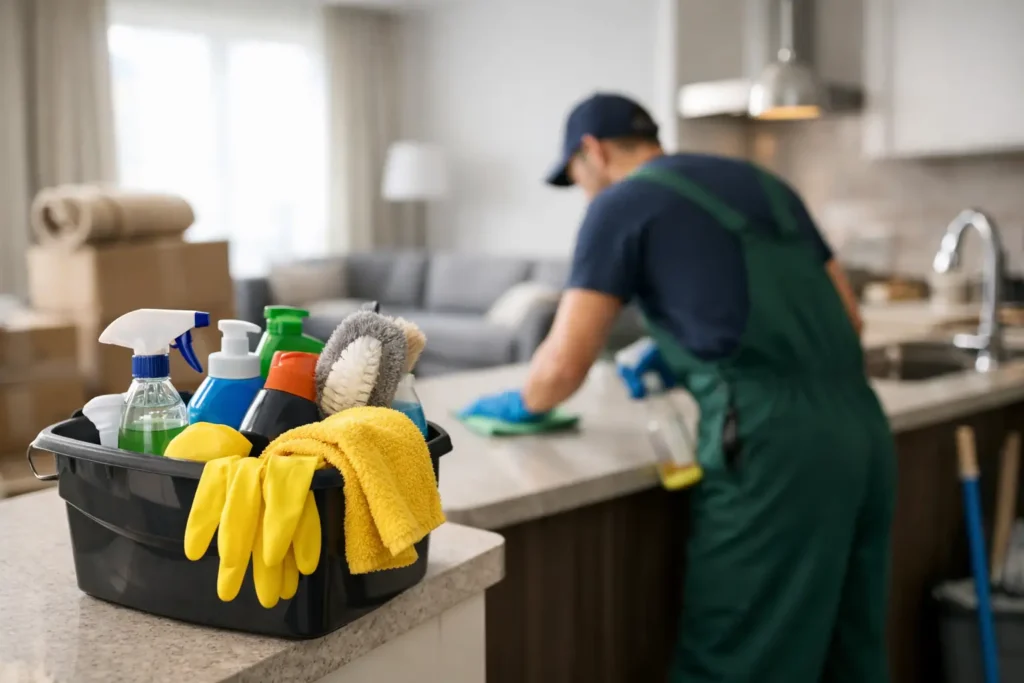
The final week before moving out is rarely calm. Boxes are stacked in the hallway, paperwork still needs sorting, and the property somehow looks messier every time you clear a cupboard. If you need to prepare for end tenancy cleaning properly, the best approach is not to leave everything for the last day. A bit of planning makes the clean faster, more thorough, and far less stressful when the inspection is close.
End of tenancy cleaning is different from routine weekly cleaning. It is more detailed, more demanding, and usually judged against the condition of the property when the tenancy began, allowing for fair wear and tear. That means surface tidying is not enough. You need the place empty, accessible, and ready for a proper top-to-bottom clean.
Why preparation matters before the clean
A lot of tenants assume the cleaning starts when the mop comes out. In reality, good results depend on what happens beforehand. If rooms are still full of furniture, cupboards are packed, or rubbish is left behind, even a strong clean can end up incomplete. Areas behind appliances, inside wardrobes, and under beds often become the problem spots during checkout.
Preparation also affects time and cost. If cleaners arrive and have to work around bags, loose items, or half-cleared rooms, the job takes longer. If you are doing the clean yourself, clutter slows everything down and makes it harder to see what actually needs attention. A clear property is simply easier to clean to a professional standard.
Prepare for end tenancy cleaning with the right order
The most effective way to prepare for end tenancy cleaning is to think in stages rather than trying to tackle everything at once. Moving out and cleaning are closely linked, but they are not the same task.
Start by removing your belongings completely. This includes food from cupboards, items in the loft if applicable, toiletries in bathrooms, and anything stored in drawers or built-in units. If something is staying in the property by agreement, make sure it is meant to stay and is not just forgotten. Leftover possessions can create confusion for landlords and agents, and they prevent proper cleaning in the spaces they occupy.
Once personal items are out, deal with rubbish. Do not just gather it into black bags and leave it in the kitchen or by the front door. Empty the bins, remove unwanted items, and make arrangements for anything too large for normal collection. A property can look clean at first glance and still fail to make the right impression if rubbish is left behind.
After that, check for basic maintenance issues. Cleaning will not hide damage. Scuffed walls, broken fittings, missing light bulbs, and heavy limescale around taps are all noticed during inspections. Some issues are wear and tear, some are not, but either way it helps to know what condition the property is in before the final clean starts.
What to do before cleaners arrive
If you are booking a professional service, a little preparation helps the team work more efficiently from the moment they arrive. The property should ideally be empty, or as close to empty as possible. If you are still moving items out on the same day, that can slow the clean and reduce access to key areas.
Defrost the freezer in advance if the service includes kitchen appliances. This is one of the most commonly forgotten jobs, and it matters because a frozen freezer cannot be cleaned properly inside. Switch it off with enough time for ice to melt, place towels down to catch water, and leave the door open.
Make sure there is access to electricity and running water. It sounds obvious, but utility cut-offs and meter issues do happen during move-outs. A cleaning team cannot complete a full service without both.
It also helps to have your inventory report or check-in record nearby. You do not need to hand it over in every case, but it is useful for checking what areas and appliances were included at the start of the tenancy. If there were existing marks or worn surfaces when you moved in, your records help keep expectations realistic.
The areas most likely to be missed
When people rush, the same spots tend to get overlooked. Kitchens usually need the most time, especially grease around the hob, splashbacks, extractor fans, cupboard fronts, and inside the oven. If you have cooked regularly in the property, this build-up is rarely a quick wipe-down job.
Bathrooms are another high-risk area. Limescale, soap residue, grout discolouration, and water marks around taps or screens can make an otherwise clean room look neglected. These issues often need the right products and enough contact time, not just effort.
Then there are the less obvious details. Light switches, skirting boards, internal doors, handles, plug sockets, and the tops of cupboards all collect dust and marks. Windows from the inside, window sills, and the tracks around frames also stand out during an inspection if they are dirty while the rest of the room is clean.
Carpets can be a grey area. A vacuum may be enough in some properties, but if there are stains, pet hair, or heavy traffic marks, professional carpet cleaning may be the better option. The same applies to ovens. A standard clean may improve appearance, but a heavily used oven often needs a dedicated deep clean to get it back to an acceptable condition.
Should you clean it yourself or book professionals?
That depends on the size of the property, the condition it is in, and how much time you have before handover. If you are leaving a small flat that has been well maintained, doing it yourself may be manageable. If you are moving from a family home, have pets, or have left cleaning until the final days, a professional service is often the more practical route.
The trade-off is straightforward. Doing it yourself may save money upfront, but it costs time and energy at a point when both are usually in short supply. Professional cleaners cost more, but they can complete the work faster and with the level of detail many landlords and letting agents expect.
There is also the question of specialist jobs. Oven cleaning, carpet cleaning, and after-builders style cleaning from wall marks or dust can take more than general household products and a free afternoon. In those cases, booking a complete service can be the simpler option.
For tenants in Birmingham who want the process handled quickly, using a local company with end of tenancy experience often removes a lot of the pressure. The key is to book early enough that you are not trying to arrange everything in the final 24 hours.
How to prepare for end tenancy cleaning if time is tight
Sometimes there is no ideal timeline. Keys need returning, removal delays happen, and the property still needs attention. If you are working against the clock, focus first on access and condition.
Get everything out. Empty every cupboard, drawer, and storage area. Remove rubbish. Take photos once rooms are clear. Then prioritise kitchens and bathrooms, because these are usually judged most closely. If you are booking cleaners at short notice, be clear about the property size, the number of rooms, and whether appliances, carpets, or upholstery need extra work.
Do not spend hours on tasks that will not improve the final result. For example, there is little point polishing around stacked moving boxes or lightly wiping surfaces that still have heavy grease or scale. Clear first, then clean properly.
A practical final check before handover
Before you return the keys, walk through the property slowly as if you were seeing it for the first time. Open cupboards. Check inside the fridge and oven. Look behind doors. Test whether taps and sinks are presentable. Stand in each room and notice smells as well as visible dirt, because stale bins, damp towels, or leftover food can undo the impression of a clean property very quickly.
Pay attention to what the landlord or letting agent is likely to notice within the first minute. Floors should be clear, worktops empty, bathrooms fresh, and windows visibly cleaner from the inside. If anything still looks rushed, it probably needs another pass.
Receipts and photos can also help. If you used a professional cleaning service, keep the invoice. If you cleaned yourself, dated photos provide a useful record of the condition you left behind. They are not a substitute for proper cleaning, but they can support you if there is any dispute afterwards.
Moving out is busy enough without the final clean turning into a last-minute problem. A well-prepared property gives you a better chance of a smooth inspection, fewer complaints, and a more straightforward end to the tenancy.
Pingback: Regular Home Cleaning Checklist That Works | YG CLEANERS